

With organizations rapidly adopting cloud applications and remote work, Identity and Access Management (IAM) has become a critical security function. One of the most in-demand IAM roles today is the Okta Administrator.
If you’re wondering how to become an Okta Administrator, what skills you need, or whether this role is right for you—this guide is for you. Whether you’re a fresher, system admin, cybersecurity professional, or cloud engineer, Okta offers a strong career path with excellent growth potential.

What is Okta?
Okta is a cloud-based Identity and Access Management (IAM) platform that helps organizations securely manage user authentication, authorization, and access to applications.
Key Features of Okta
- Single Sign-On (SSO)
- Multi-Factor Authentication (MFA)
- Lifecycle Management
- Universal Directory
- API Access Management
- Adaptive Security Policies
Who is an Okta Administrator?
An Okta Administrator is responsible for managing identity policies, users, groups, applications, and security settings within the Okta platform.
Okta Administrator Responsibilities
- Managing users and groups
- Configuring SSO and MFA
- Integrating cloud and on-prem applications
- Managing access policies
- Monitoring logs and reports
- Supporting identity lifecycle events (joiner, mover, leaver)
Why Choose a Career as an Okta Administrator?
Before diving into how to become an Okta Administrator, let’s understand why this role is worth pursuing.
Benefits of Becoming an Okta Admin
- High demand in cybersecurity & IAM
- Competitive salaries
- Cloud-focused career
- Global job opportunities
- Strong career growth into IAM Architect or Security Engineer
Also Read: Top 8 Online Okta Training in Hyderabad with Certification in 2026
Skills Required to Become an Okta Administrator
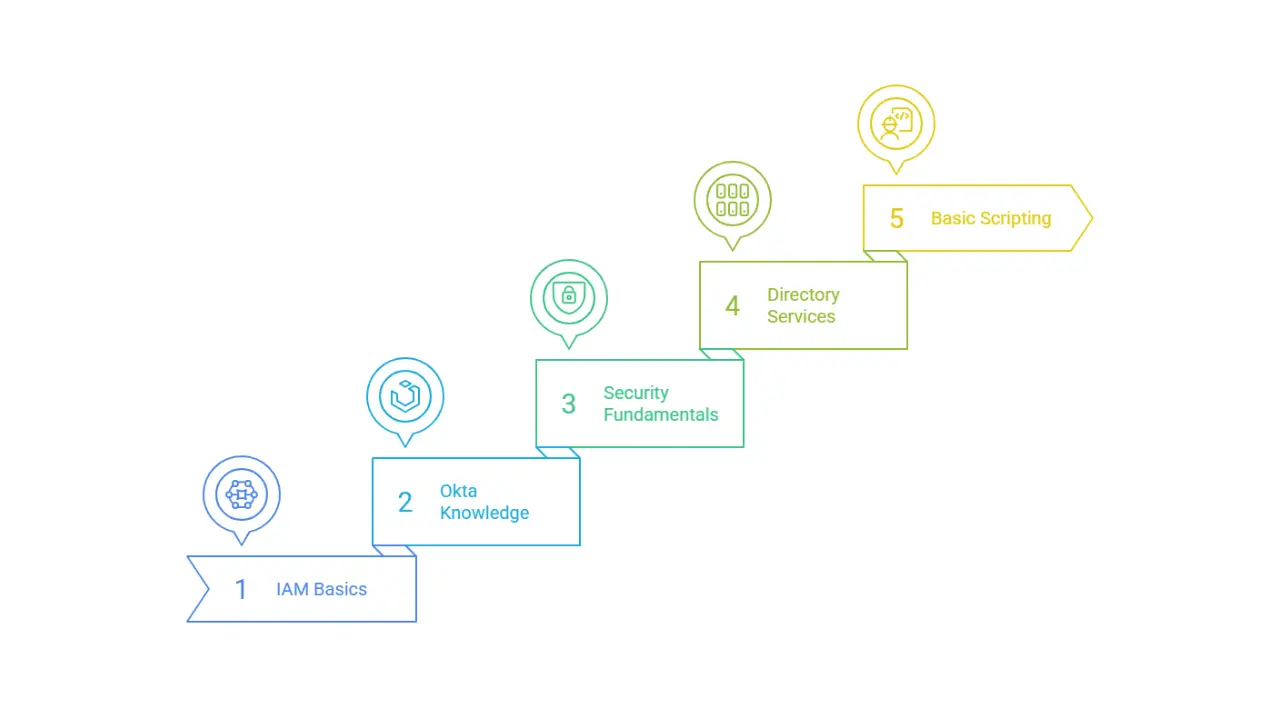
You don’t need to be a coding expert, but you do need a strong foundation.
1. Identity and Access Management Basics
Understand core IAM concepts such as:
- Authentication vs Authorization
- RBAC (Role-Based Access Control)
- Least privilege principle
- Identity lifecycle management
2. Okta Platform Knowledge
You should be comfortable with:
- Okta Admin Console
- Universal Directory
- Groups and group rules
- Application integrations
- Policy configuration
3. Security Fundamentals
- MFA and adaptive authentication
- Password policies
- Session management
- Compliance basics (ISO, SOC, GDPR – awareness level)
4. Directory Services
- Active Directory (AD)
- LDAP
- User provisioning & deprovisioning
5. Basic Scripting (Optional but Helpful)
- REST APIs
- JSON
- Basic PowerShell or Python (for automation)
Step-by-Step: How to Become an Okta Administrator
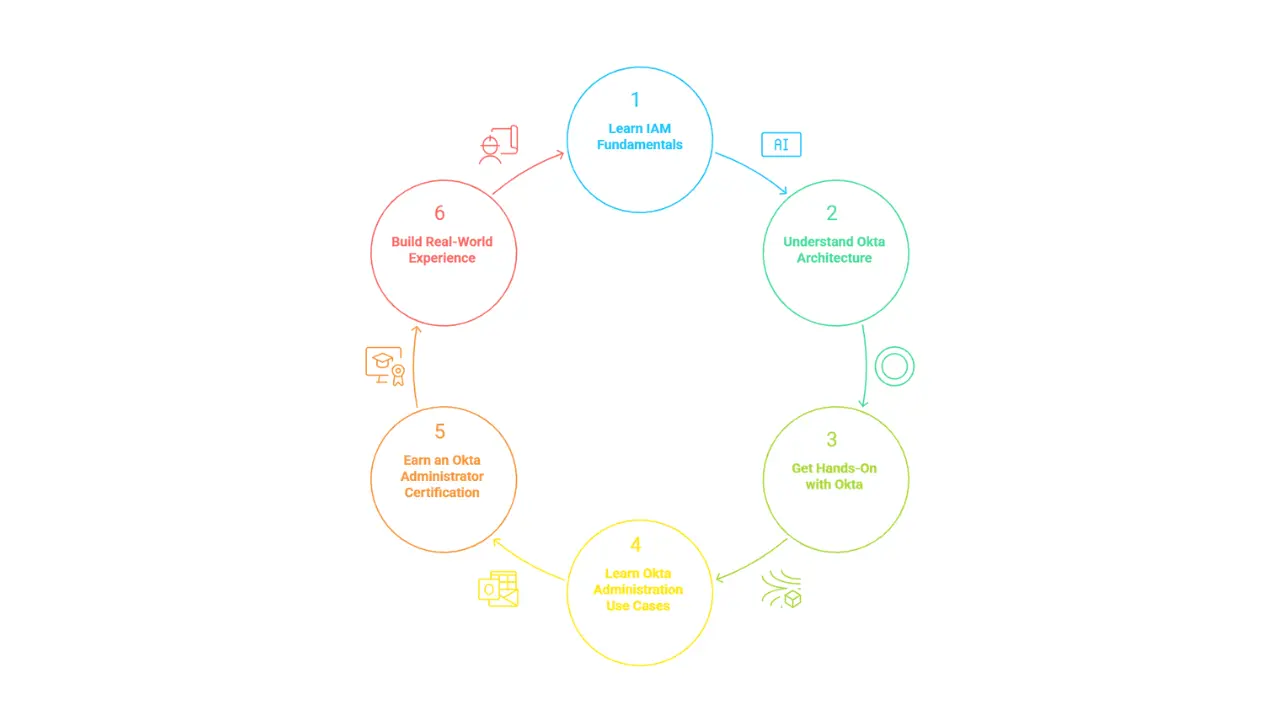
Step 1: Learn IAM Fundamentals
Start with the basics of identity governance and access management.
Focus on:
- User identities
- Access policies
- Authentication flows
- Cloud security models
Step 2: Understand Okta Architecture
Learn how Okta works behind the scenes:
- Tenants and orgs
- Okta directories
- Authentication flows
- Integration methods (SAML, OIDC, OAuth)
Step 3: Get Hands-On with Okta
Create a free Okta Developer or Trial account and practice:
- Adding users
- Creating groups
- Assigning applications
- Enabling MFA
- Configuring SSO
Step 4: Learn Okta Administration Use Cases
Focus on real enterprise scenarios:
- Employee onboarding and offboarding
- App access based on department
- MFA enforcement for sensitive apps
- Hybrid AD integration
Step 5: Earn an Okta Administrator Certification
Certification validates your skills and boosts credibility.
Popular Okta Certifications
- Okta Certified Administrator (Highly recommended)
- Okta Certified Professional
- Okta Certified Consultant (advanced)
Okta Certified Administrator exam focuses on:
- User & group management
- SSO & MFA configuration
- Troubleshooting
- Security policies
Step 6: Build Real-World Experience
You can gain experience through:
- Internships
- IAM support roles
- Lab projects
- Freelance or sandbox practice
Document your work and be ready to explain configurations in interviews.
Read More: 10 Best Okta Training in Bangalore: Fees, Duration, & Eligibility
Okta Administrator Career Path
Once you start as an Okta Admin, multiple growth paths open up.
Career Progression
- Okta Administrator
- Senior IAM Engineer
- IAM Consultant
- Security Engineer
- IAM Architect
Okta Administrator Salary in India & Globally
Average Salary in India
- Fresher: ₹4–7 LPA
- Mid-level: ₹8–15 LPA
- Experienced: ₹18+ LPA
Global Salary (Approx.)
- USA: $90,000 – $130,000/year
- Europe: €60,000 – €90,000/year
Salaries depend on experience, certification, and project exposure.
Common Tools Used by Okta Administrators
- Okta Admin Console
- Active Directory
- Azure AD
- REST APIs
- SIEM tools (Splunk, LogRhythm)
- Ticketing tools (ServiceNow)

Conclusion
If you’re serious about building a career in cloud security and identity management, learning how to become an Okta Administrator is a smart move. With growing adoption, strong salaries, and global demand, Okta skills can future-proof your career.
Focus on fundamentals, practice hands-on, earn Okta certification, and apply your knowledge to real-world scenarios.