
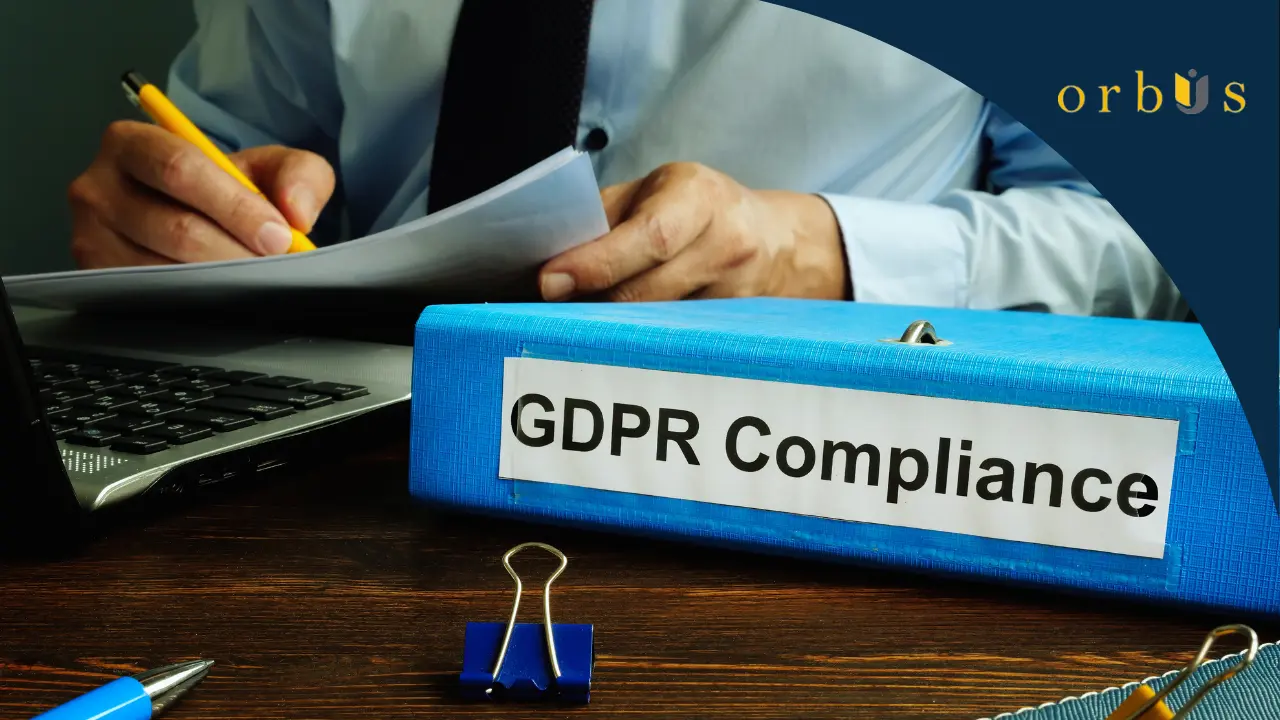
In today’s digital age, where data breaches and cyber threats are becoming increasingly common, the importance of cybersecurity compliance cannot be overstated.
Organizations across the globe are required to adhere to various industry regulations to protect sensitive data and ensure the privacy of individuals.
Regulatory frameworks such as the General Data Protection Regulation (GDPR) and the California Consumer Privacy Act (CCPA) have set the standard for data protection and have introduced stringent compliance requirements for businesses.
We will explore the key aspects of cybersecurity compliance, the importance of adhering to industry regulations, and how cyber security course training can help organizations stay compliant.

Understanding Cybersecurity Compliance
Cybersecurity compliance refers to the adherence to laws, regulations, standards, and guidelines designed to protect digital information from unauthorized access, breaches, and other cyber threats. Compliance is not just a legal requirement; it is also a crucial aspect of maintaining trust with customers, partners, and stakeholders.Key Industry Regulations
Several industry-specific regulations have been established to address cybersecurity concerns.1. General Data Protection Regulation (GDPR)
The GDPR is a comprehensive data protection law that applies to all organizations operating within the European Union (EU) or dealing with the personal data of EU citizens. The regulation emphasizes transparency, data minimization, and the rights of individuals regarding their personal data. Key requirements under GDPR include:- Data Protection by Design and Default: Organizations are required to incorporate data protection measures right from the beginning of any project.
- Data Breach Notification: Organizations must notify the relevant authorities within 72 hours of discovering a data breach.
2. California Consumer Privacy Act (CCPA)
The CCPA is a landmark privacy law in the United States that grants California residents greater control over their personal information. It applies to businesses that meet certain criteria, such as having a gross annual revenue of over $25 million or collecting data from more than 50,000 consumers. Key provisions of the CCPA include:- Right to Know: Consumers have the right to know what personal information is being collected and how it is being used.
- Right to Opt-Out: Consumers have the option to refuse the sale of their personal information.
3. Health Insurance Portability and Accountability Act (HIPAA)
HIPAA is a U.S. regulation designed to safeguard sensitive patient health information. It applies to healthcare providers, insurers, and any organization that manages protected health information (PHI). The law sets forth essential standards for ensuring the confidentiality and security of PHI. Key provisions include:- Privacy Rule: Protects the confidentiality of PHI.
- Security Rule: Sets standards for the secure handling of electronic PHI (ePHI).
4. Payment Card Industry Data Security Standard (PCI DSS)
PCI DSS consists of a series of security guidelines aimed at safeguarding payment card data. It is applicable to any organization that handles, processes, stores, or transmits credit card information. Core requirements include:- Encryption: Cardholder data must be encrypted when stored and transmitted.
- Regular Monitoring and Testing: Organizations must regularly test their security systems and processes.
The Importance of Adhering to Cybersecurity Regulations
Adhering to cybersecurity regulations is crucial for several reasons:- Legal Compliance: Compliance with industry regulations is a legal obligation. Failure to comply can result in hefty fines, legal action, and even the suspension of business operations.
- Protecting Customer Trust: Consumers are increasingly concerned about how their personal data is being used and protected. Demonstrating compliance with cybersecurity regulations helps build trust with customers and assures them that their data is being handled securely.
- Mitigating Risks: Cyber threats are constantly evolving, and regulatory compliance helps organizations stay ahead of potential risks. Organizations can implement best practices that reduce the likelihood of data breaches and cyberattacks.
Steps to Achieve Cybersecurity Compliance
Achieving cybersecurity compliance requires a proactive approach. Here are some steps.
1. Conduct a Risk Assessment
To achieve compliance, the initial step is to conduct a risk assessment. This process includes identifying possible threats, vulnerabilities, and the potential consequences of a breach on the organization. The assessment will guide the selection of appropriate security measures required to minimize risks.2. Implement Security Controls
Following the risk assessment, organizations need to put in place security measures that conform to the necessary regulatory standards. These measures could involve data encryption, access restrictions, multi-factor authentication, and consistent security audits.3. Develop a Data Protection Policy
A well-defined data protection policy outlines how the organization collects, processes, stores, and protects personal data. The policy should be communicated to all employees and regularly updated to reflect changes in regulations and industry best practices.4. Train Employees
Cyber security course training can help employees understand their responsibilities, recognize potential threats, and follow best practices for data protection.5. Monitor and Audit Compliance
Continuous monitoring and auditing are essential to ensure ongoing compliance with cybersecurity regulations. Organizations should establish a process for regular audits, vulnerability assessments, and incident response planning.The Role of Cyber Security Course Training
Given the complexity of cybersecurity regulations and the ever-evolving threat landscape, organizations must invest in cyber security course training to equip their teams with the necessary knowledge and skills.- Regulatory Requirements: Understanding the specific requirements of regulations such as GDPR, CCPA, HIPAA, and PCI DSS.
- Data Protection Best Practices: Implementing best practices for data encryption, access control, and secure data storage.
- Incident Response: Developing an effective incident response plan to quickly address data breaches and cyberattacks.
- Security Awareness: Educating employees about the latest cyber threats, phishing attacks, and social engineering tactics.