

In the world of software development, identity and access management (IAM) has become an essential field. As businesses increasingly move to the cloud, the demand for tools that manage authentication and authorization has grown.
Okta, a leading provider of IAM solutions, has gained widespread adoption, and as a result, Okta developers are in high demand. But how much do Okta developers make in India? In this guide, we will dive deep into the factors influencing Okta developer salaries in India, career prospects, and much more.

What is Okta and Why is it Important?
Okta is an identity management platform that provides a suite of services aimed at securing user authentication and managing access to applications and data. It simplifies the complexities of handling passwords, logins, and other security elements across various systems, making it an attractive solution for businesses seeking to improve their security posture and streamline workflows.
Okta’s solutions are widely used across different industries, ranging from healthcare to finance and tech companies. With businesses continuing to prioritize security, there’s an increasing demand for Okta developers who can implement, maintain, and integrate Okta into organizational infrastructures.
What Does an Okta Developer Do?
An Okta developer is responsible for integrating Okta’s identity management features into applications, services, and platforms. The role involves working with Okta’s API, configuring Single Sign-On (SSO) and Multi-Factor Authentication (MFA), ensuring seamless user access management, and maintaining system security. Key responsibilities include:
- Integration: Okta developers integrate Okta’s IAM solutions with client systems, including user databases and applications.
- Customization: Developers often customize Okta’s solutions to fit a company’s unique security and authentication needs.
- API Management: Okta developers work with Okta APIs to create, modify, and troubleshoot user access policies and workflows.
- Security: As Okta is all about identity and access management, ensuring that the systems are secure and compliant with regulations is a significant part of the job.
- User Support and Troubleshooting: Developers also assist with user issues related to authentication, user management, and access control.
Also Read: What is Okta Universal Directory & What are the Benefits of Universal Directory?
Factors Influencing Okta Developer Salary in India
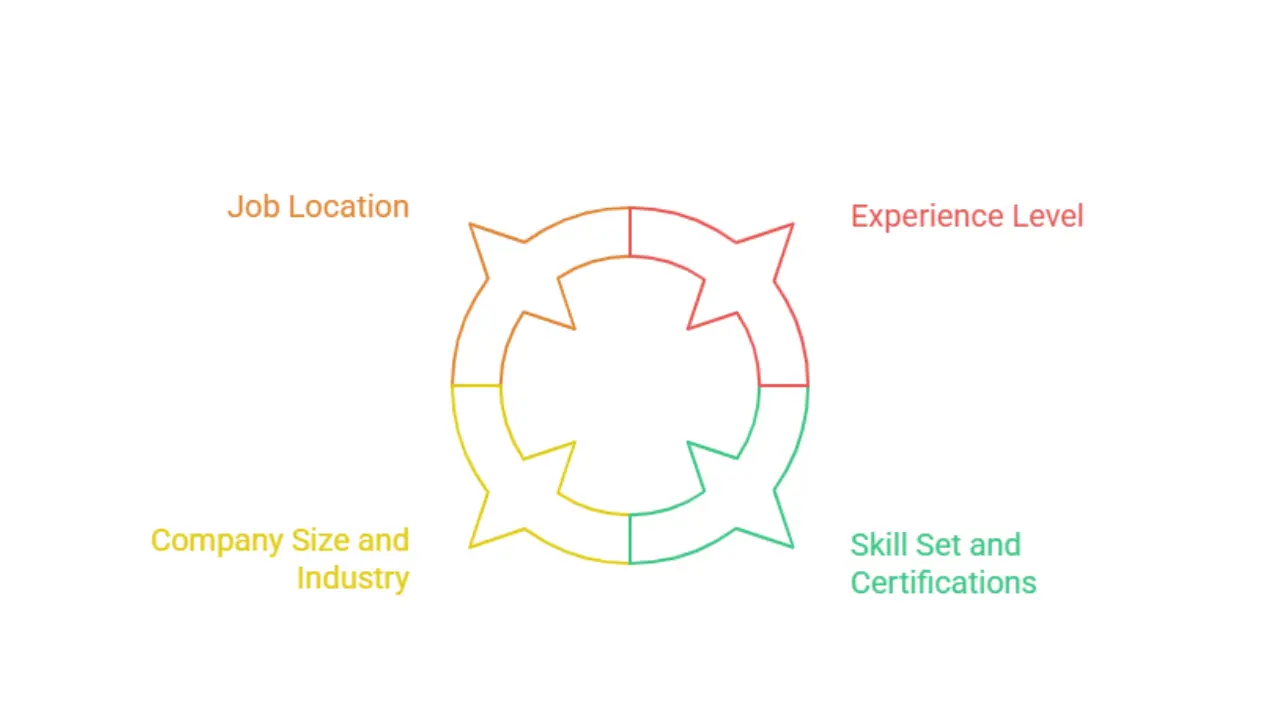
Several factors influence the salary of an Okta developer in India, including experience, skill set, job location, and company size. Let’s take a closer look at these.
1. Experience Level
As with most tech jobs, experience is a key determinant of salary. An entry-level Okta developer with less than two years of experience will typically earn a lower salary compared to someone with five or more years of experience. Here’s a breakdown of salaries based on experience:
- Entry-Level (0-2 years): Rs. 5 – 7 lakhs per annum
- Mid-Level (3-5 years): Rs. 8 – 12 lakhs per annum
- Senior-Level (5+ years): Rs. 14 – 20 lakhs per annum or higher
2. Skill Set and Certifications
Okta developers are expected to have a broad set of technical skills. Proficiency in Okta’s platform, as well as additional skills in security protocols, APIs, and cloud technologies, can boost salaries significantly. Okta-specific certifications like the Okta Certified Administrator or Okta Certified Developer can also enhance a developer’s credibility and lead to higher pay.
A developer with experience in related technologies like OAuth, OpenID Connect, and SAML is more likely to command a higher salary due to the extra value they bring to the role.
3. Job Location
In India, salaries for Okta developers can vary significantly based on location. Cities with a higher cost of living and a larger tech industry presence generally offer higher salaries. Let’s look at salaries in some of the top tech cities:
- Bengaluru: Rs. 8 – 20 lakhs per annum
- Hyderabad: Rs. 7 – 15 lakhs per annum
- Mumbai: Rs. 9 – 18 lakhs per annum
- Delhi/NCR: Rs. 8 – 17 lakhs per annum
- Chennai: Rs. 6 – 12 lakhs per annum
Bengaluru, being the tech hub of India, tends to have higher salaries due to the concentration of tech companies and startups.
4. Company Size and Industry
The size of the company you work for and the industry in which it operates can also influence your salary. Large multinational companies (MNCs) tend to offer higher salaries and more benefits, while startups may offer lower base salaries but compensate with equity or other perks.
Additionally, industries like finance and healthcare, which are highly regulated and require advanced security measures, may offer better salaries for Okta developers due to the critical nature of their work.
Okta Developer Salary vs. Other Developer Roles in India
When comparing Okta developer salaries with those of other developers in India, Okta developers typically earn more than developers working in traditional programming languages like Java or Python at the entry and mid-level.
However, at the senior level, salaries for Okta developers might be somewhat comparable to those of developers specializing in popular frameworks or technologies like React.js or Angular.
Here’s a quick comparison of average salaries for some common developer roles in India:
| Role | Average Salary |
|---|---|
| Okta Developer | Rs. 7 – 20 lakhs |
| Java Developer | Rs. 5 – 15 lakhs |
| Python Developer | Rs. 6 – 18 lakhs |
| React.js Developer | Rs. 6 – 18 lakhs |
| JavaScript Developer | Rs. 5 – 15 lakhs |
While Okta development is a specialized skill, it’s important to note that the security aspect of Okta also plays a crucial role in driving salary levels higher in comparison to other general development roles.
Career Growth for Okta Developers in India
The demand for Okta developers is expected to rise in the coming years, and the career prospects are promising. With businesses moving toward cloud-based infrastructure, security is more important than ever,
Okta provides a robust solution for managing access and identity. This makes Okta development a crucial skill in the modern tech ecosystem.
As an Okta developer, you can progress in your career by gaining experience in other areas such as cloud computing and security engineering. You could eventually transition into roles like:
- Okta Architect: A senior role responsible for designing and implementing large-scale Okta solutions.
- IAM Specialist: Focusing on identity and access management as a broader field, with expertise in other IAM solutions besides Okta.
- Security Engineer: Leveraging Okta skills to move into cybersecurity, a field with high demand and salaries.
How to Become an Okta Developer in India
Becoming an Okta developer requires a mix of education, training, and experience. Here are the steps you can take to break into this field:
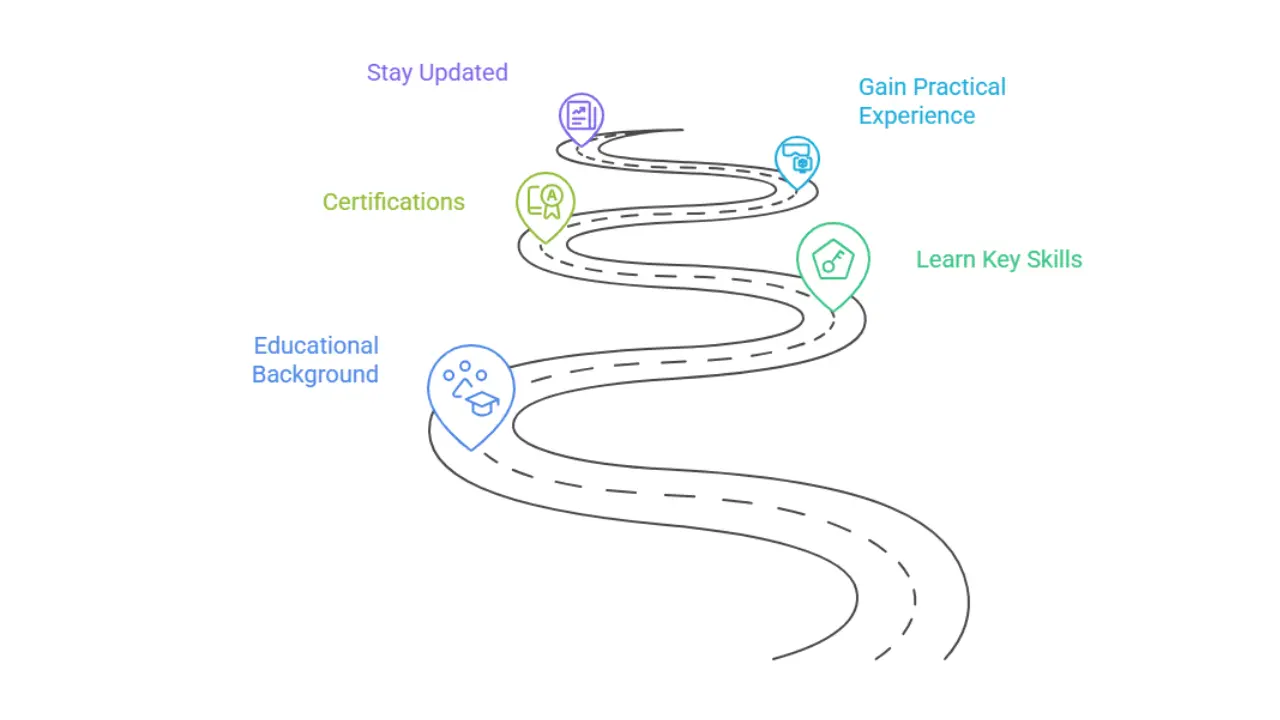
- Educational Background: A degree in computer science or information technology is typically required. Many developers also hold certifications in relevant technologies such as cloud computing or security.
- Learn Key Skills: Familiarize yourself with Okta’s platform and related technologies like SSO, MFA, OAuth, and APIs. Online courses and tutorials can help you build a foundation.
- Certifications: Consider pursuing Okta-specific certifications, such as the Okta Certified Administrator or Okta Certified Developer, to demonstrate your expertise.
- Gain Practical Experience: Start by working on real-world projects or internships that involve identity management systems or Okta itself. This will help you gain hands-on experience.
- Stay Updated: Okta, like many tech solutions, evolves rapidly. Regularly update your skills to keep pace with new features and technologies in the identity management space.
Read More: Okta Training in Kochi: Best Certification Course for Developer & Admin
Benefits and Challenges of Being an Okta Developer in India
Benefits:
- High Demand: With increasing reliance on cloud services and secure identity management, Okta developers are in high demand.
- Lucrative Salaries: Due to the specialized nature of the role, Okta developers earn competitive salaries, especially as they gain experience.
- Career Growth: The skills you acquire as an Okta developer can open doors to a wide range of roles in security, cloud computing, and software development.
Challenges:
- Continuous Learning: The world of identity management and security is constantly evolving, requiring Okta developers to continually learn and adapt.
- Specialized Role: Being a specialized role, it may limit your opportunities if you wish to shift into other development areas without additional training.

Conclusion
The Okta developer role offers a promising career path in India, with competitive salaries and excellent growth opportunities. By mastering Okta’s platform and related technologies, developers can enjoy high-demand roles in the tech industry, working for top companies across diverse sectors.
Whether you’re just starting or already an experienced developer, Okta expertise can significantly boost your career prospects and salary potential. As businesses continue to prioritize security, Okta developers will remain at the forefront of building safe and scalable identity management solutions.
If you’re looking to step into a role with high salary potential and the chance to make an impact in the tech world, Okta development is definitely worth considering.